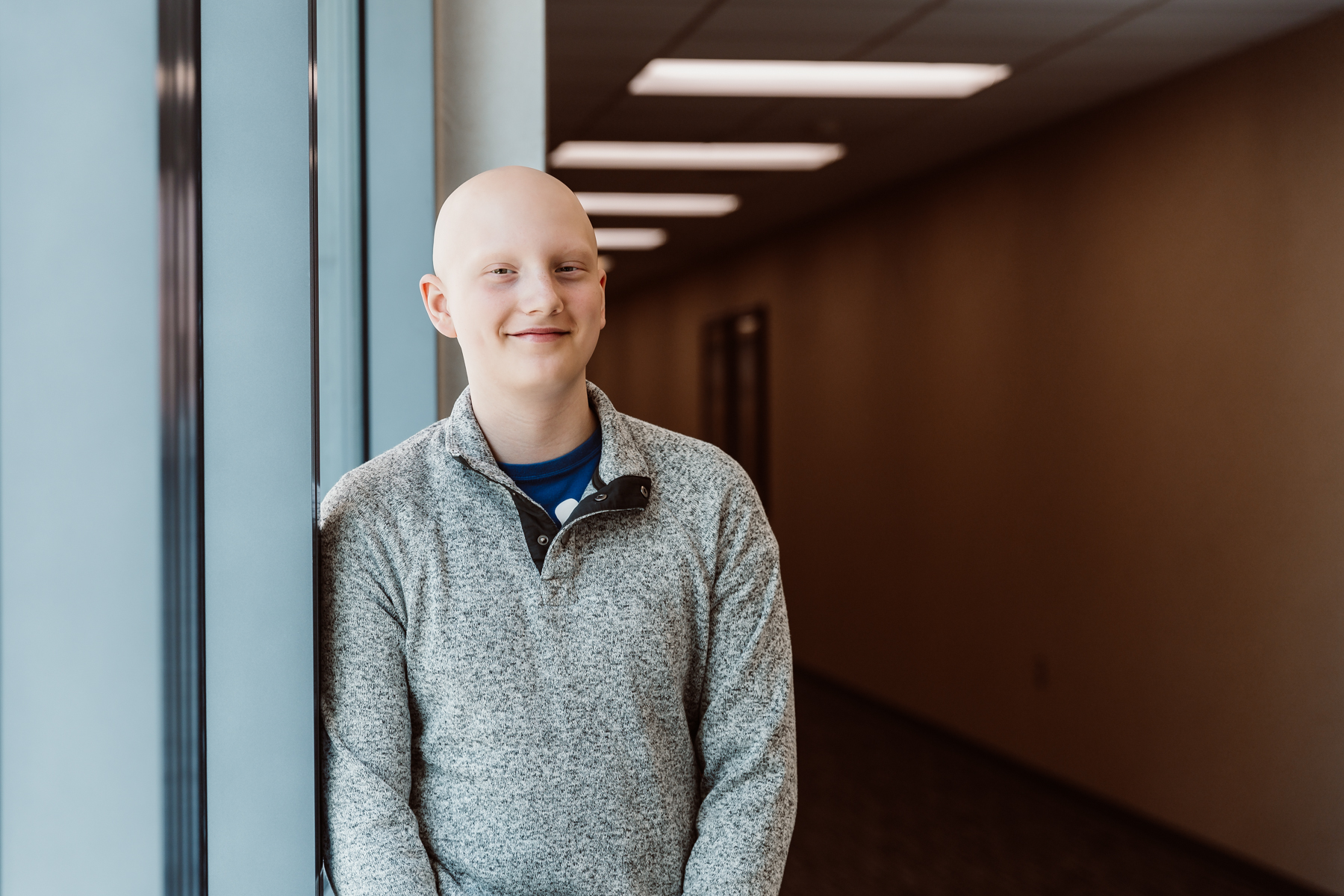
Bolton’s Bravery
With specialized, comprehensive care in hospitals tailored to the unique needs of pediatric patients, children’s hospitals help children and teens like Bolton defy the odds.
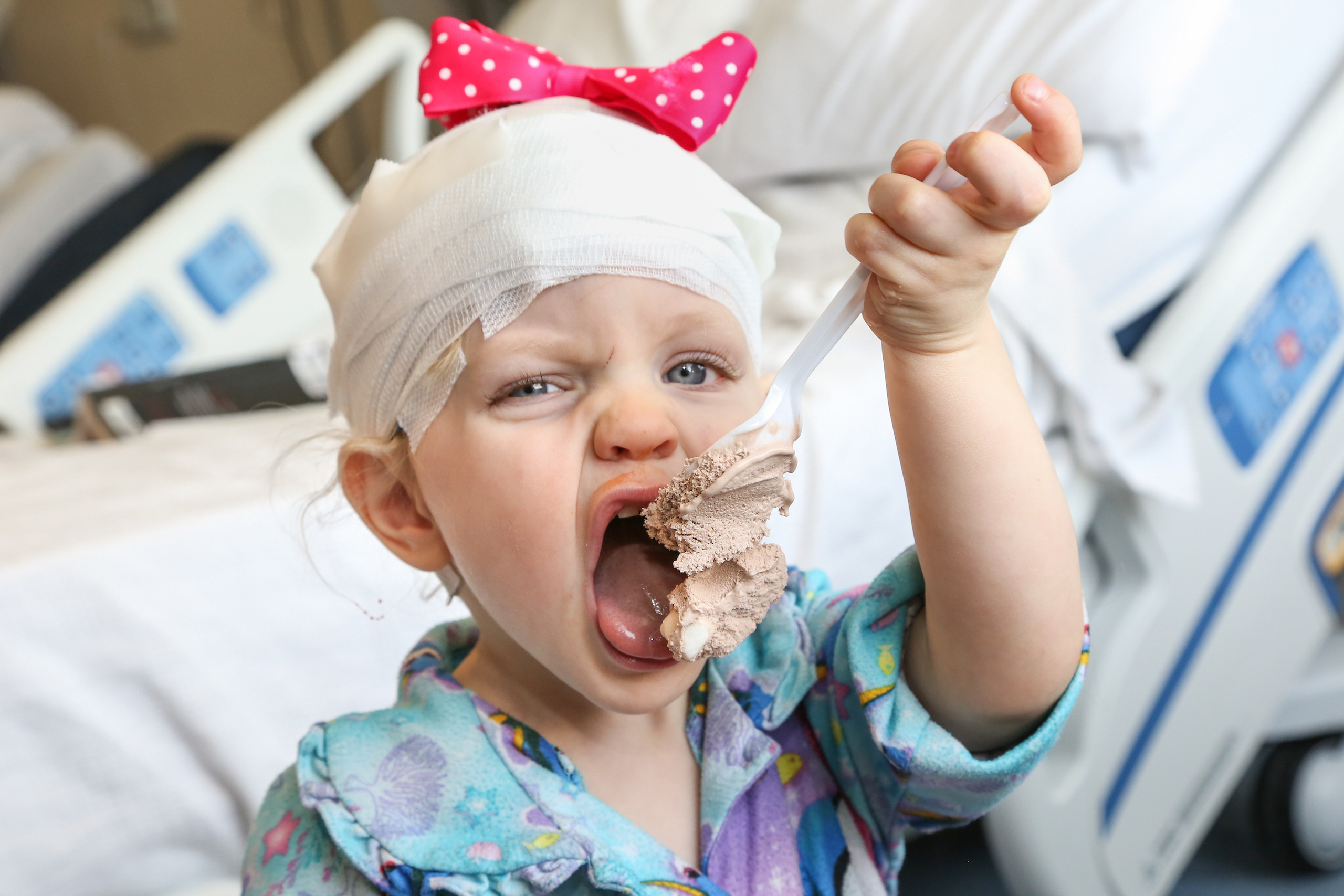
Every day, children’s hospitals help make moments possible. From providing access to the comprehensive care that children need to grow up to supporting children, teens, and their families with specialized treatment for some of the most complex illnesses. Discover more about the moments made possible by children’s hospital through patient stories from around the country.
With specialized, comprehensive care in hospitals tailored to the unique needs of pediatric patients, children’s hospitals help children and teens like Bolton defy the odds.
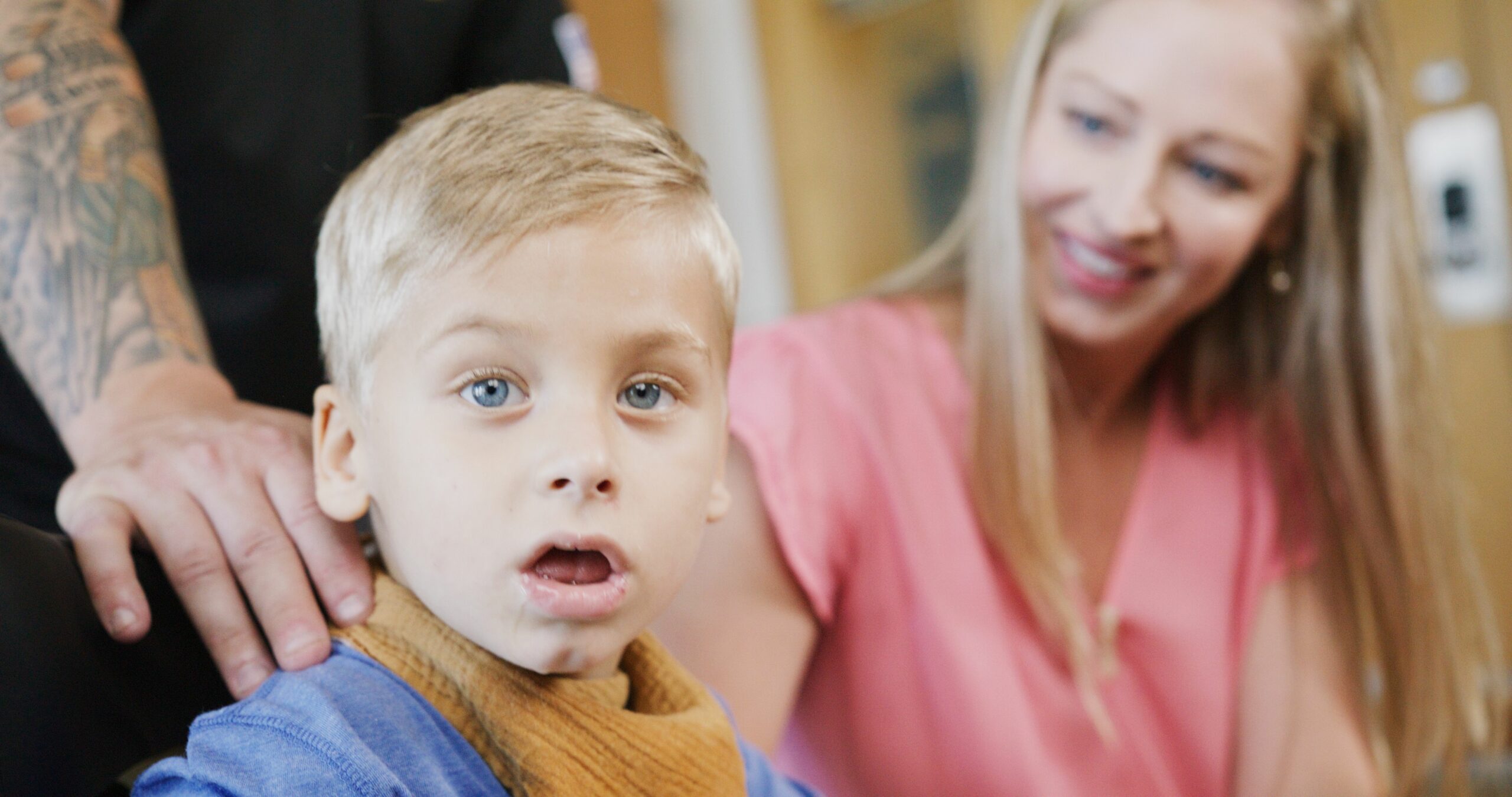
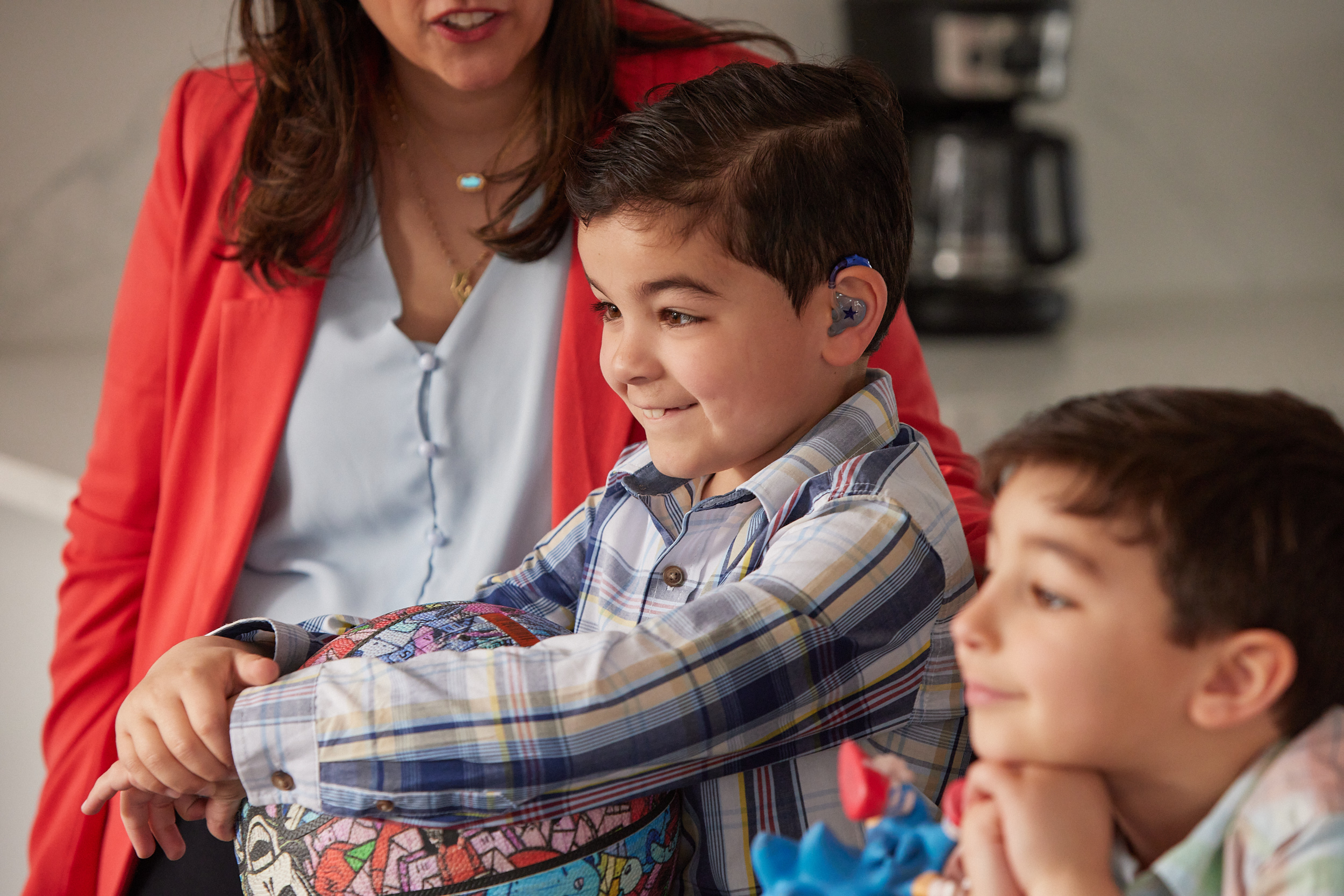
Children’s hospitals provide advanced care for the most complex conditions in environments specially designed for pediatric patients, allowing children like Isaac to thrive.
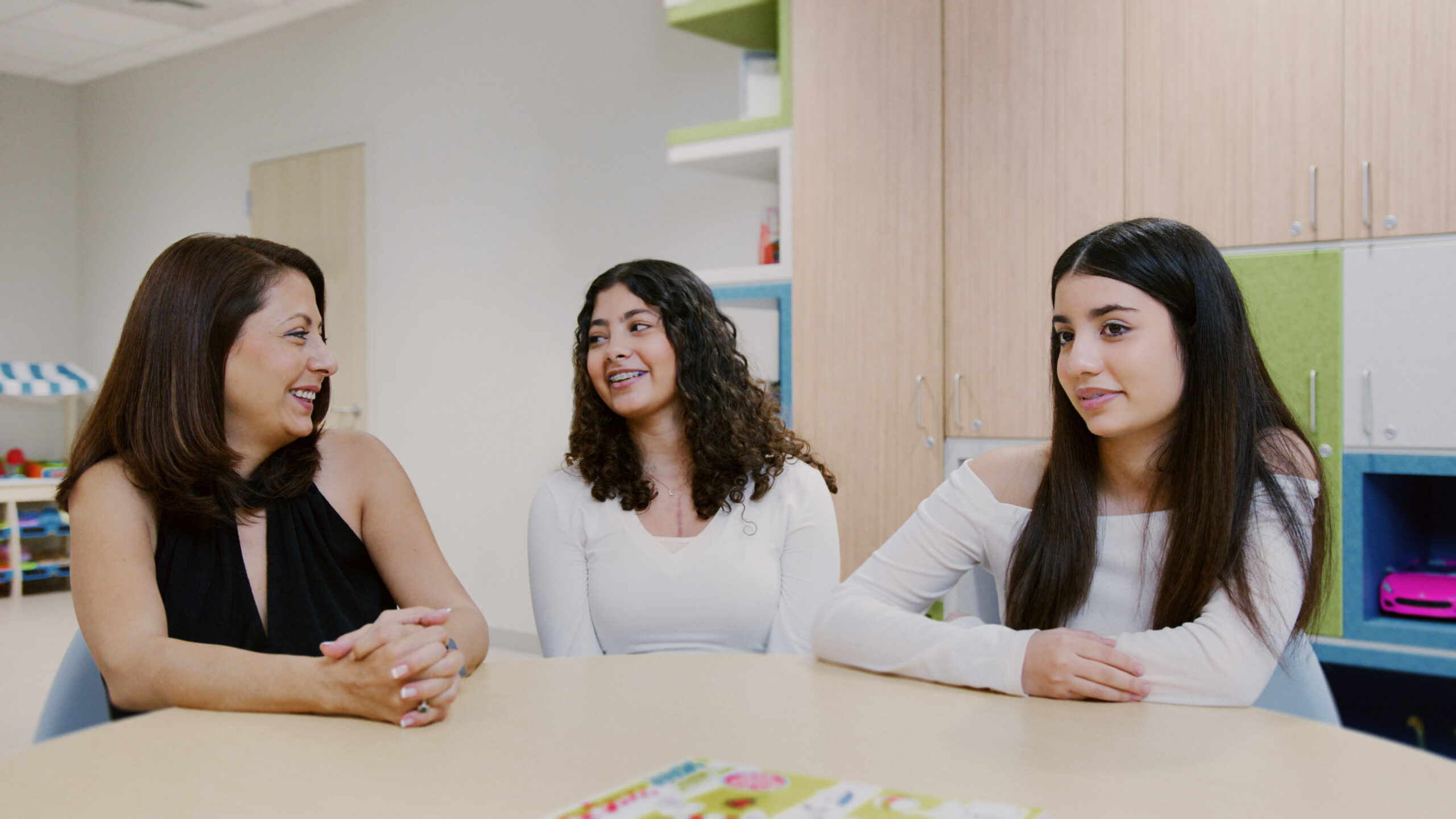
The specialized multidisciplinary teams at children’s hospitals ensure that children and teens – like Cami – can beat multiple complex conditions like cancer and heart failure.
The advanced, specialized care that children’s hospitals provide make moments – like Joseph beating pediatric brain cancer – possible.
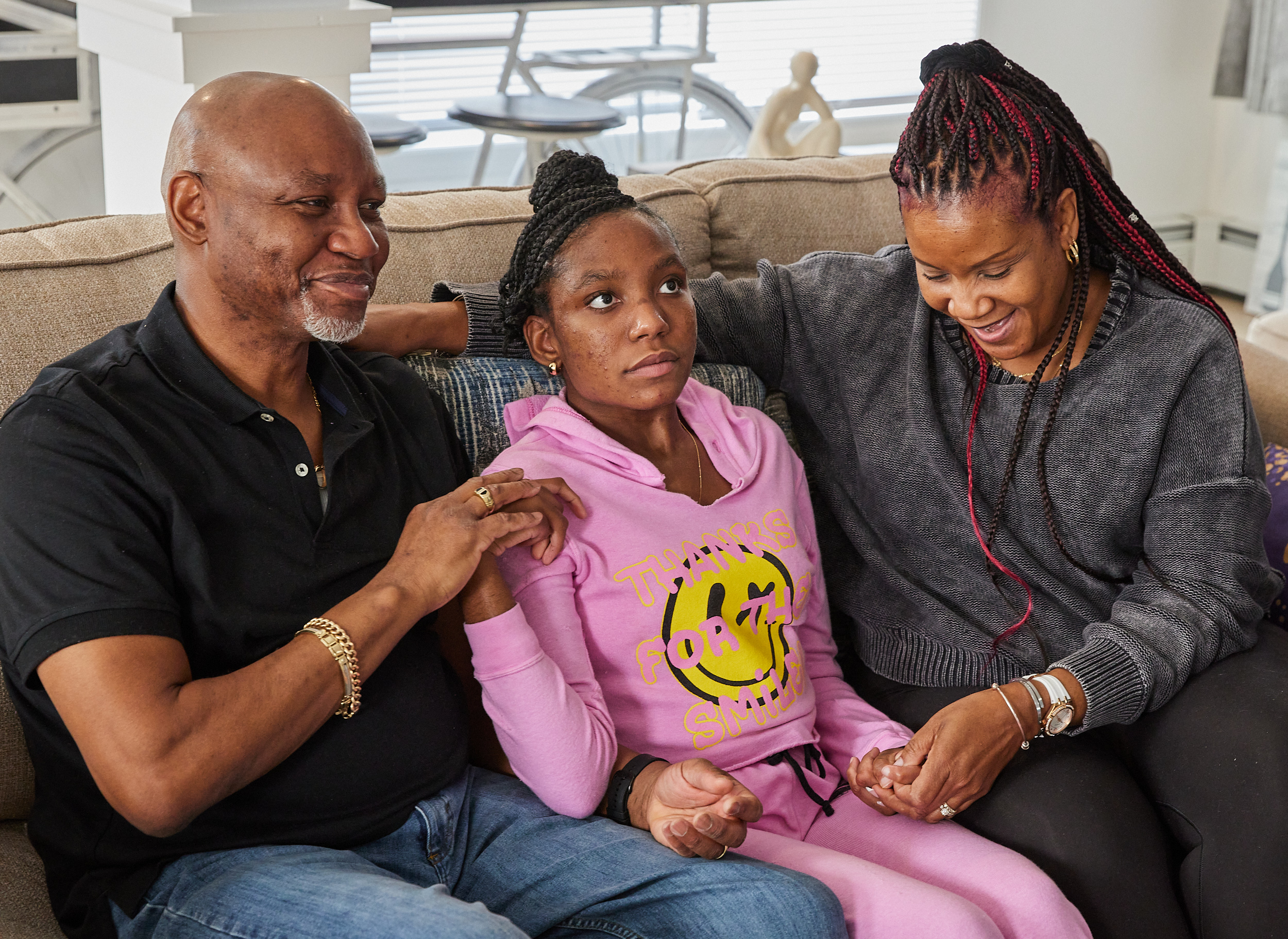
With care delivered by specially trained pediatric clinicians, in environments designed just for children, children’s hospitals help children and teens – like Daniella – navigate complex medical conditions.

When Sriansh was just three months old, his family grew concerned as he slept most of the day, arched his back, and could not control his eye movement. His parents brought him to Cincinnati Children’s, where he was diagnosed with AADC deficiency, a rare genetic disorder that disrupts dopamine and serotonin production in the brain. Sriansh’s family was told he might never walk, talk, or lift his head. But thanks to an experimental gene therapy clinical trial, his story took a groundbreaking turn. At just 16 months old, Sriansh became the youngest child in the world to receive a one-time gene therapy treatment, delivered directly into the brain through a minimally invasive surgical technique. His care team inserted an engineered virus carrying the missing gene, allowing his brain to begin producing the essential chemicals it lacked. Today, Sriansh is walking, running, and thriving because of this innovative clinical trial. This pioneering work helped lead to the first-ever FDA-approved gene therapy administered directly to the brain, offering hope for patients with rare genetic diseases once thought untreatable.
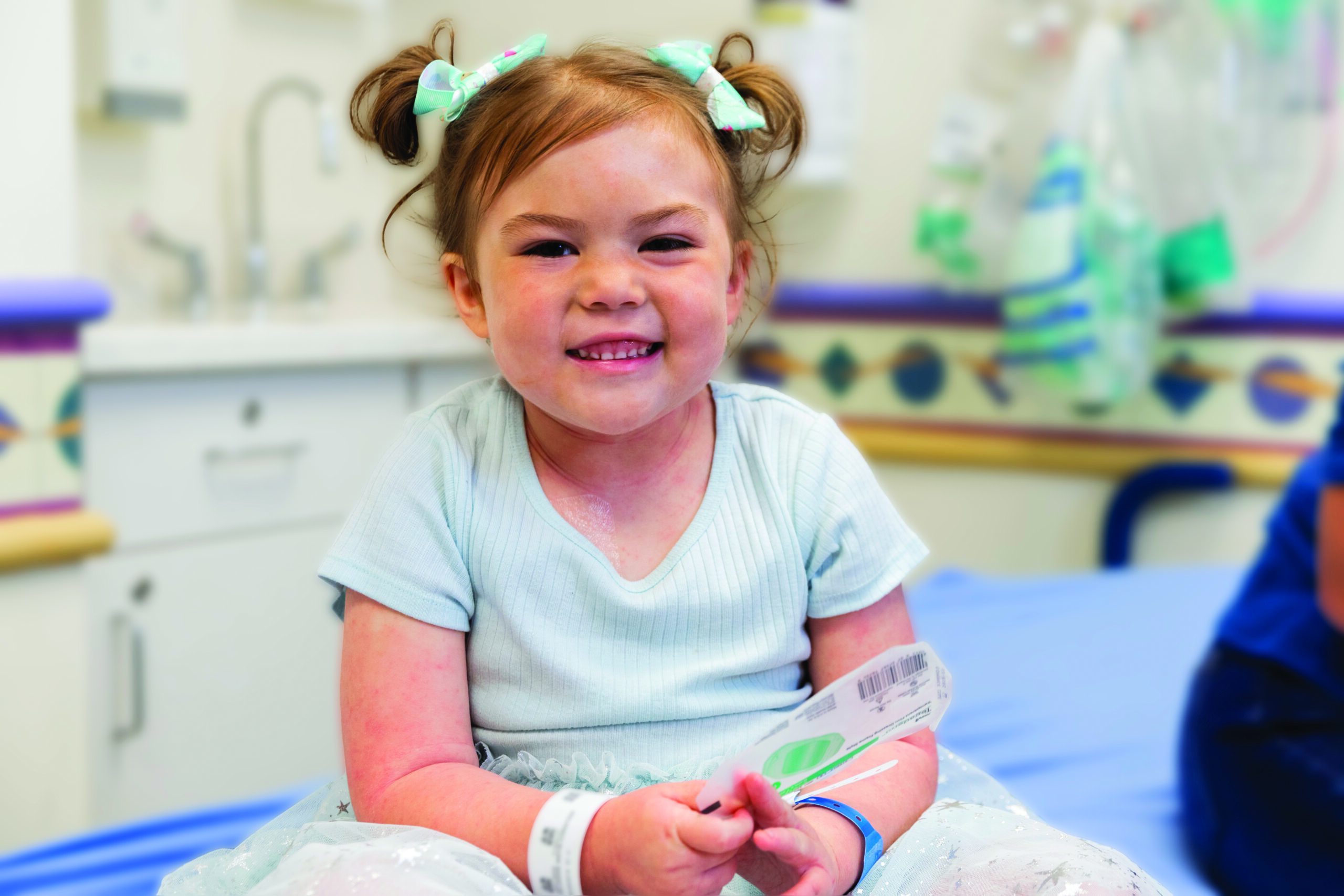
When four-year-old Mayia stopped using her right side, her parents were immediately concerned and took her to Children’s Mercy Kansas City. There, Mayia’s medical team discovered she had a tumor with two cysts pushing on the left side of her brain, interfering with her right-side mobility. The tumor, a metastatic ganglioglioma, proved too difficult to remove through brain surgery and did not respond to chemotherapy. Mayia’s doctor wanted to try a new drug combination, but the medications weren’t on the market yet. Her dedicated care team worked hard to petition the drug company and the FDA for approval. Once they were approved, Mayia could use the new medications as part of a research trial. Mayia’s tumor responded well to the treatment, and she finally started feeling like herself again. The FDA recently approved the drugs for public use, so Mayia and her family can now receive the prescriptions from the pharmacy. Mayia has been on the medications for over a year, and it’s fully halted her tumor growth! In another year, her care team will taper her off the medications and continue to monitor the tumor’s response. Today, she’s an outgoing six-year-old who loves playing outside, going on walks, and hanging out with her older brothers.
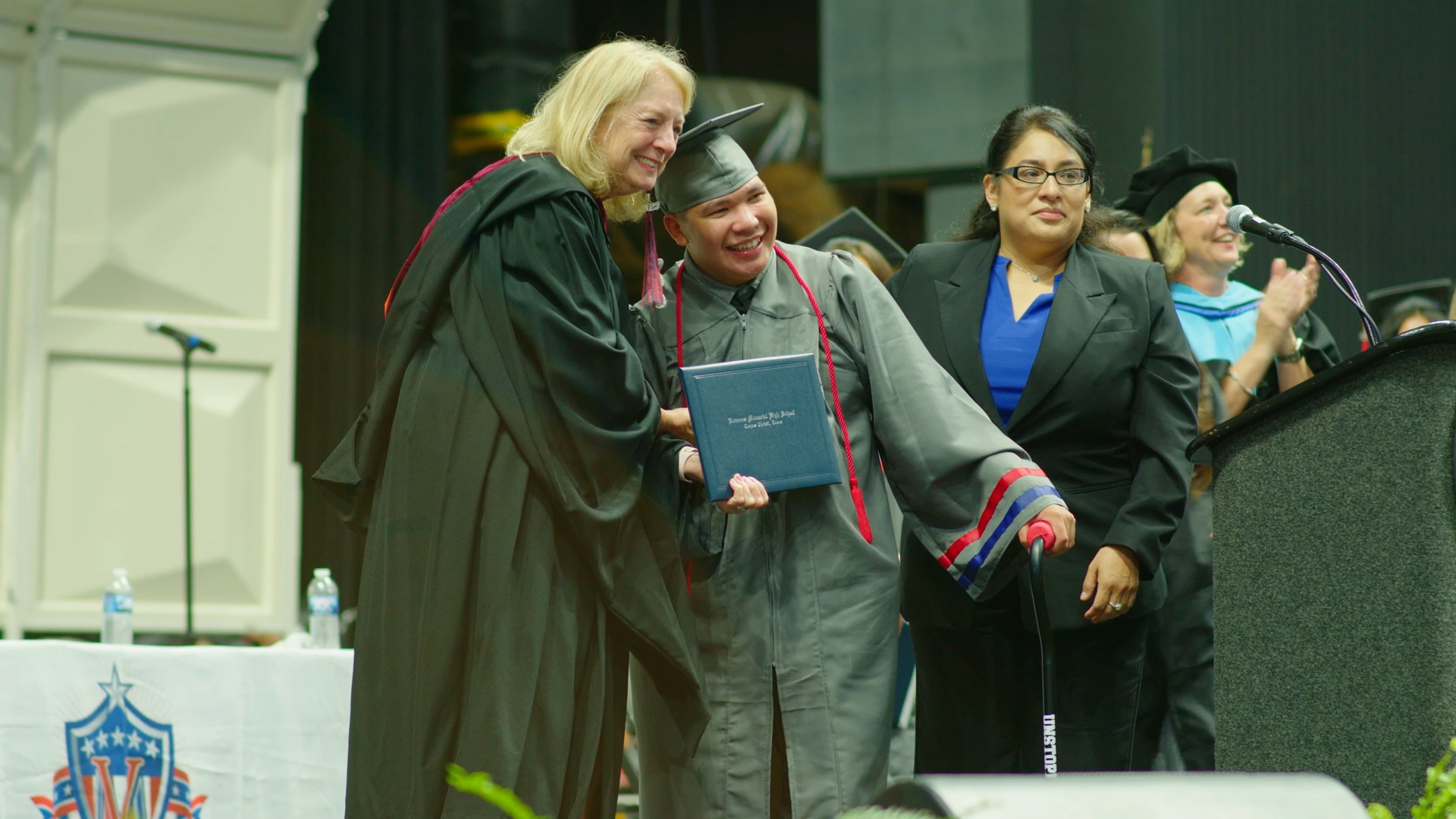
Just days after birth, doctors diagnosed John Josiah with cerebral palsy, epilepsy, and scoliosis. They told John J.’s parents that he would never be able to walk, talk, or even eat on his own. However, when the family moved to Texas, their luck took a turn. John J. began care at the Driscoll Children’s Hospital, and it gave more hope than they had ever been given. Years and years of treatment, combined with John J.’s incredible determination, led to what doctors said to be impossible. John J. walked, started talking, and he began to live a fuller life. Now, at 18 years old, John J. has reached another momentous milestone: walking the stage at his high school graduation! Through it all, his bright smile has never faded. Thanks to his dedicated care team and John J.’s resilience, he has grown into a strong young man who continues to defy all expectations.
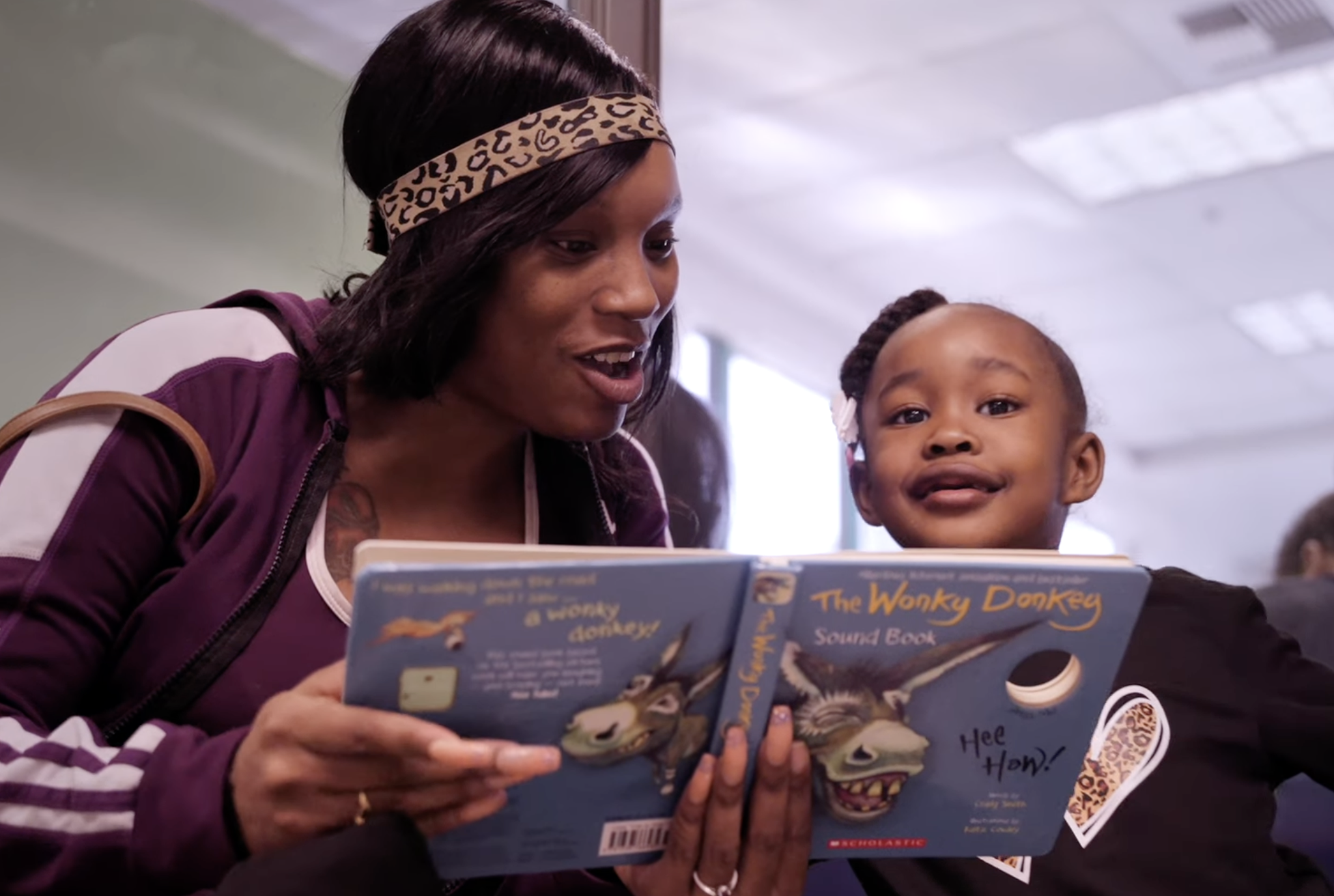
Mikari was just 2-years-old when she visited Loma Linda University Children’s Health for an enlarged heart. Her doctors determined she had heart failure and diagnosed her with dilated cardiomyopathy, a condition that weakens the heart muscle and hinders its pumping ability. At first, Mikari’s treatment involved medication and monitoring, but two years later, doctors determined that she needed a new heart. While she was waiting for a heart transplant, her team gave her a mechanical ventricular assist device to keep her heart pumping. As her care team continued to monitor her, they set up scavenger hunts, dance parties, and fun activities to keep her busy during the stressful waiting period. Then, five months later, a heart became available. The next day, Mikari underwent a successful surgery. After a few weeks of additional monitoring, Mikari was discharged. Today, she is a vibrant six-year-old girl who loves school and dreams of traveling the world. Mikari continues to visit Loma Linda University Children’s Health for routine check-ups and is thriving with her new, healthy heart.
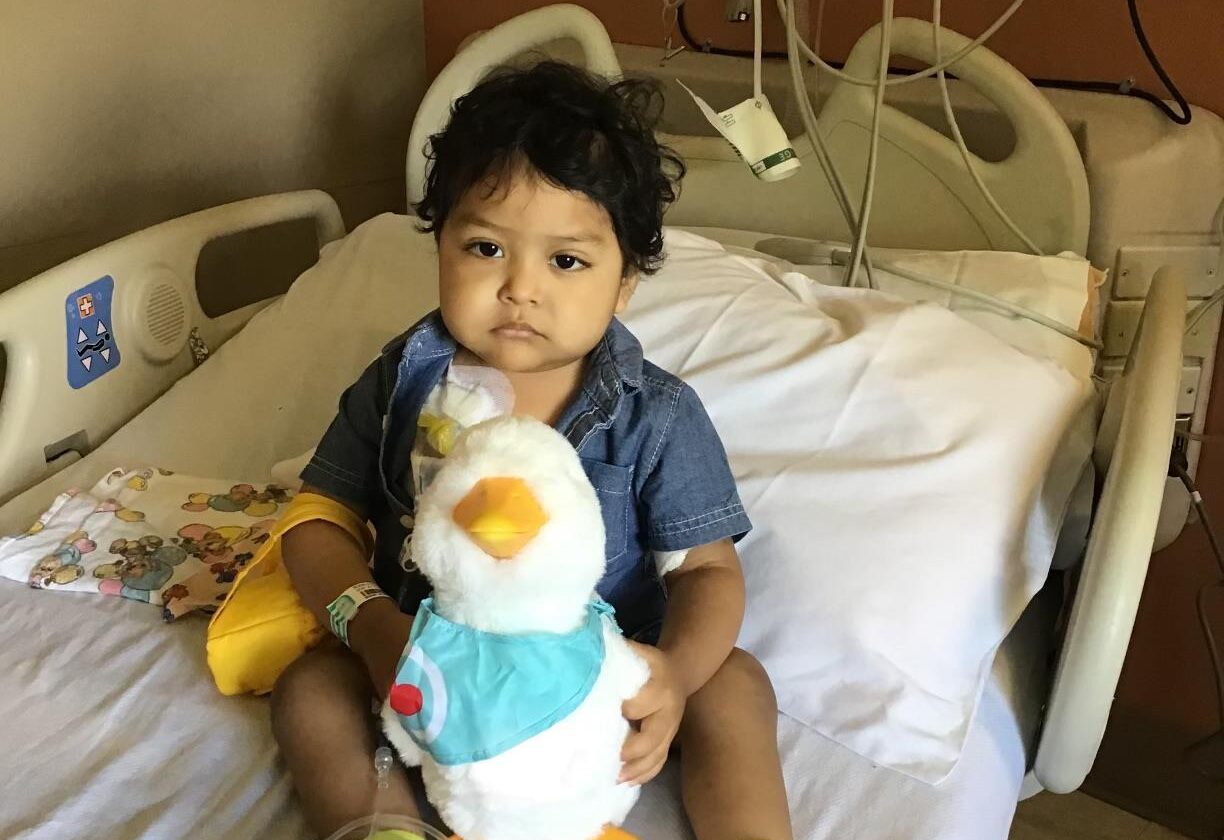
At only 2-years-old, Miguel was diagnosed with Langerhans cell histiocytosis, a rare form of cancer that most commonly appears in toddlers and children. Having a child diagnosed with a rare cancer is any parent’s nightmare, but Miguel’s mother, Maria, had an additional stressor: she didn’t speak English. Maria worried that the language barrier would prevent her from helping Miguel get the care he needed to fight the disease. But to Maria’s astonishment, ECU Health Medical Center — the hospital treating Miguel — had a Language Access Services team that helped translate and interpret, which allowed Maria to understand the treatment process. Maria said the translator and interpretation services supported her immensely, helping her learn how to properly give medications to Miguel and clarifying the many questions she had throughout the treatment. Now, Miguel is cancer-free and shines as a happy, 6-year-old boy who loves to play and jump around.
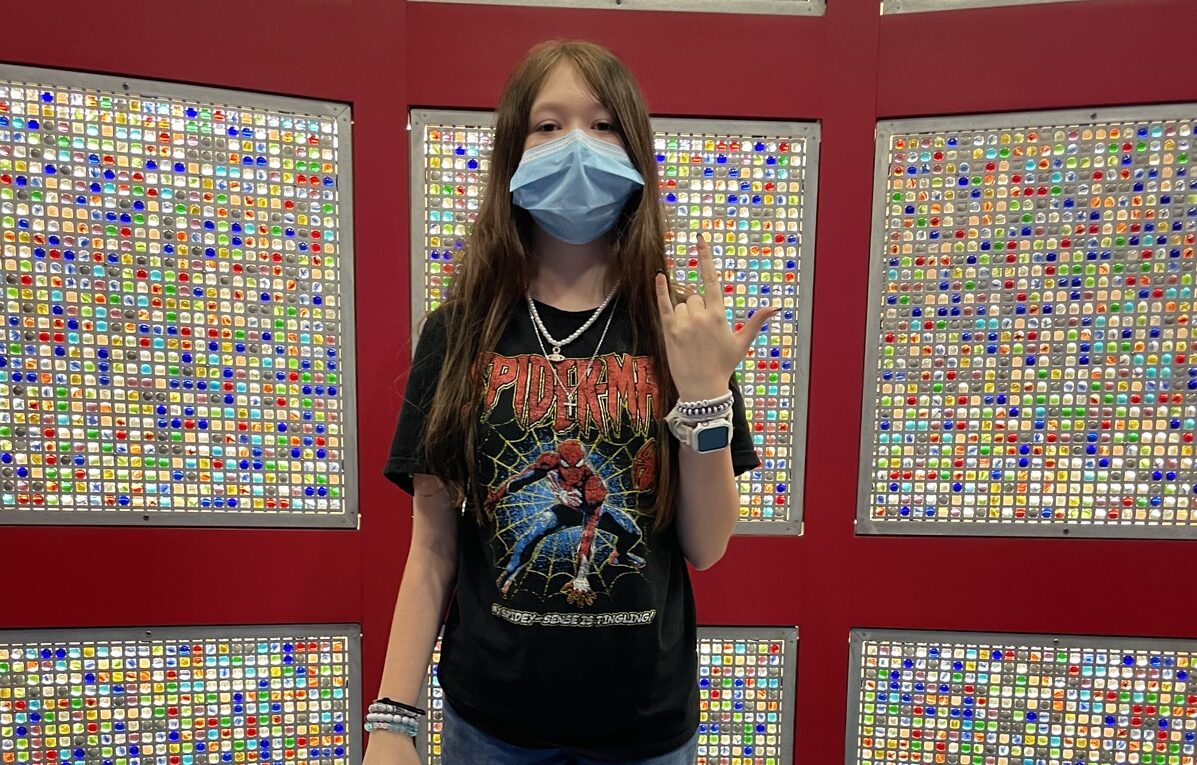
When Samantha first started kindergarten, her mom, Vicki, noticed she wasn’t acting like herself. Her unusual behavior led to an emergency room visit where doctors discovered her glucose level was dangerously high. Samantha was diagnosed with Type 1 diabetes, and within months came another difficult diagnosis: celiac disease. Samantha, however, stayed strong. Under the care and guidance of her team at Dayton Children’s Hospital, Samantha has learned to manage her life-altering conditions with extraordinary resilience. Throughout the seven years of her health journey, she has become a pro at continuous glucose monitoring and mastered the four daily insulin shots and strict demands that a gluten-free lifestyle requires. Her family rallied behind her, helping her carefully plan every meal and taking every step possible to prevent cross-contamination. Through it all, Samantha’s bright spirit has never dimmed. She proves that even in the face of complex health challenges, you can live a full, joyous life.

When Lilly was only seven, she began experiencing bizarre symptoms, including a bloody nose that wouldn’t stop and unexplained bruises all over her body. Doctors initially believed she had Leukemia, but after months of testing, Lilly was diagnosed with aplastic anemia — a rare but serious blood disorder that occurs when bone marrow is unable to produce enough new blood cells. Doctors at Corewell Health Helen DeVos Children’s Hospital helped Lilly through years of treatment, including treating her with medications, blood transfusions, and eventually a bone marrow transplant. Lilly is now 18 years old and is in remission thanks to the care she received at her children’s hospital. Lilly is a freshman at Davenport University studying to become a nurse practitioner. She hopes to one day work at the very hospital where she received care. Lilly says she is excited to reunite with some of the familiar faces who supported her through it all, but this time not as a patient, but as a practitioner.