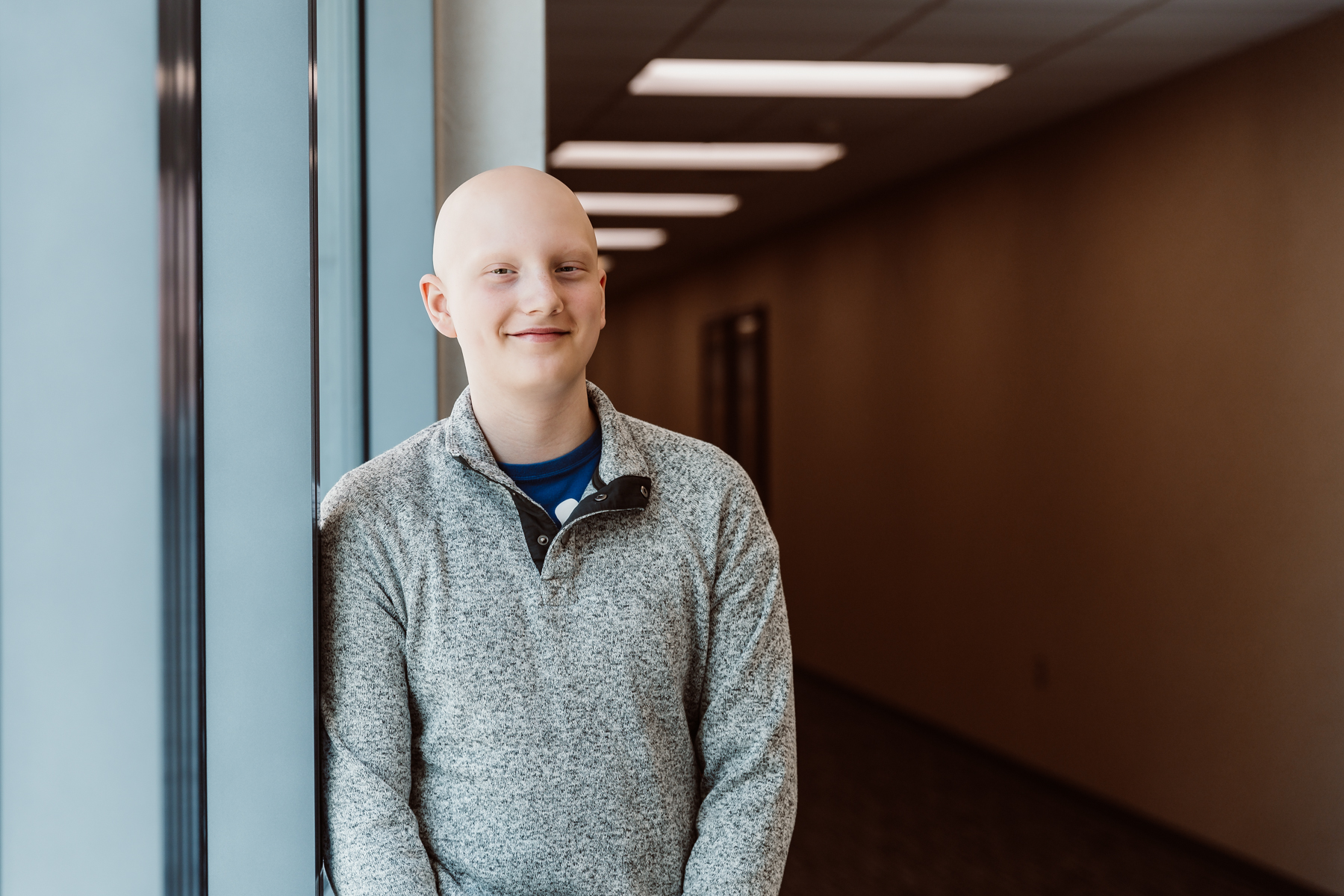
Bolton’s Bravery
With specialized, comprehensive care in hospitals tailored to the unique needs of pediatric patients, children’s hospitals help children and teens like Bolton defy the odds.

Every day, children’s hospitals help make moments possible. From providing access to the comprehensive care that children need to grow up to supporting children, teens, and their families with specialized treatment for some of the most complex illnesses. Discover more about the moments made possible by children’s hospital through patient stories from around the country.
With specialized, comprehensive care in hospitals tailored to the unique needs of pediatric patients, children’s hospitals help children and teens like Bolton defy the odds.
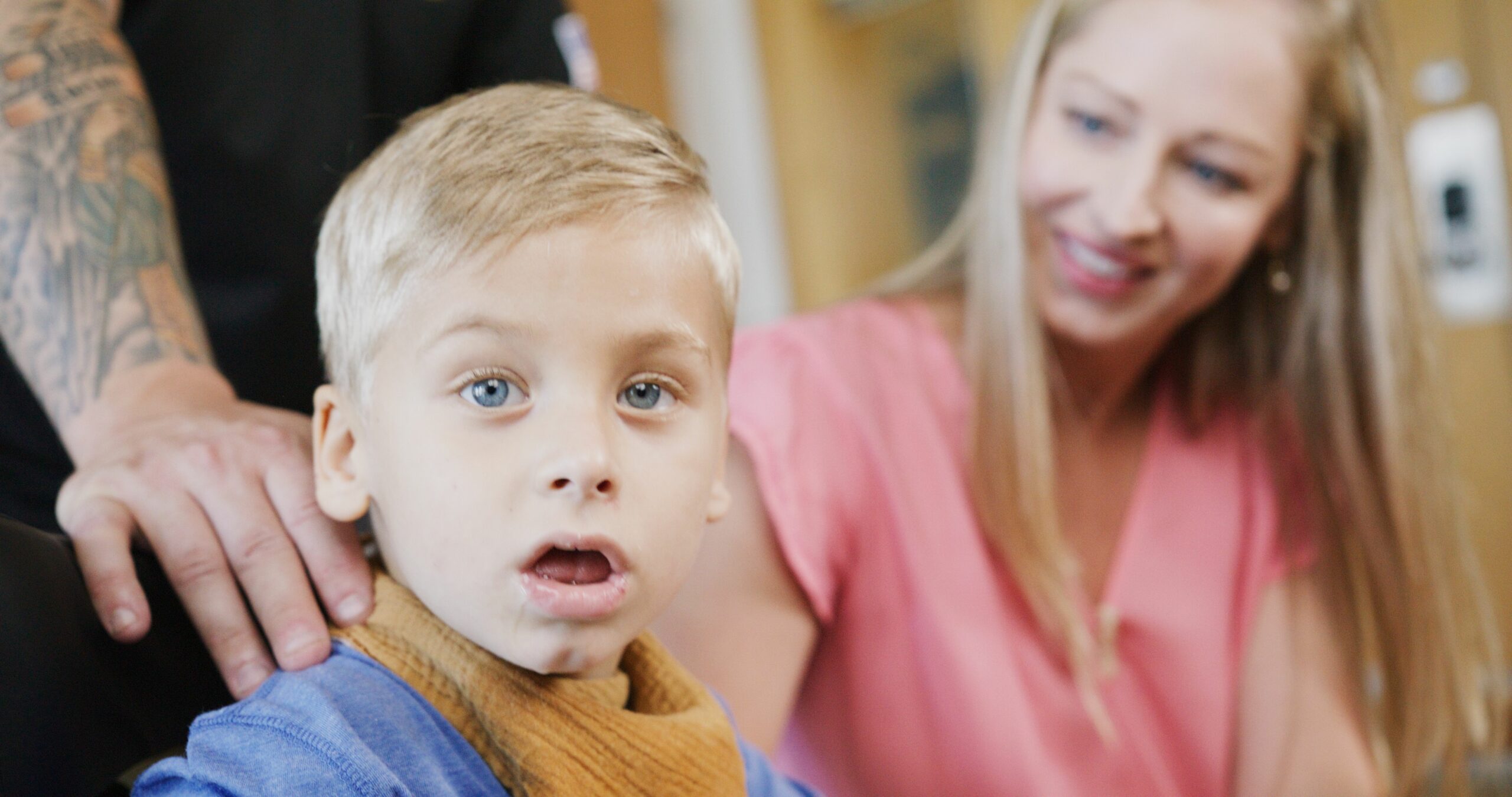
Children’s hospitals provide advanced care for the most complex conditions in environments specially designed for pediatric patients, allowing children like Isaac to thrive.
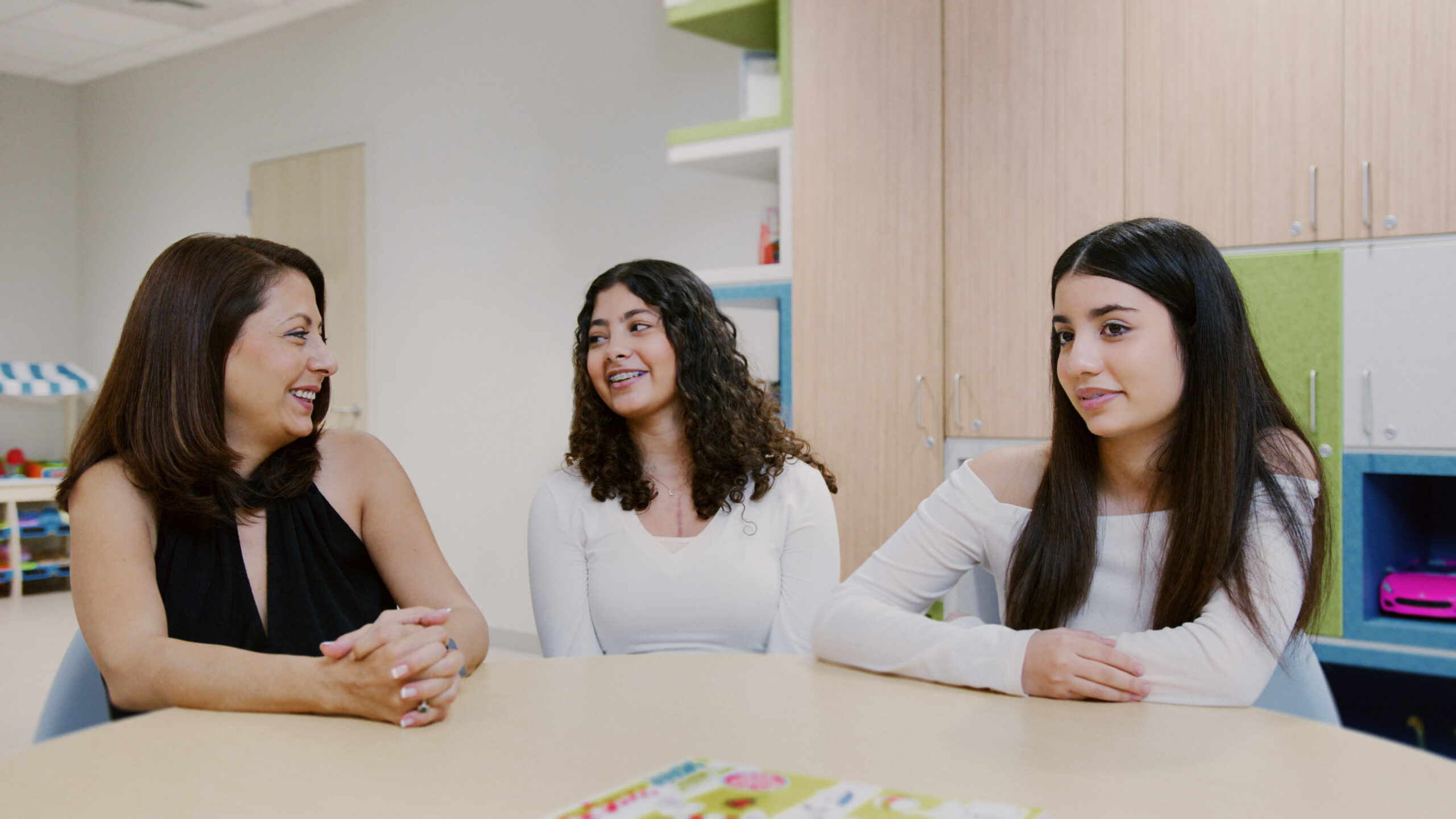
The specialized multidisciplinary teams at children’s hospitals ensure that children and teens – like Cami – can beat multiple complex conditions like cancer and heart failure.
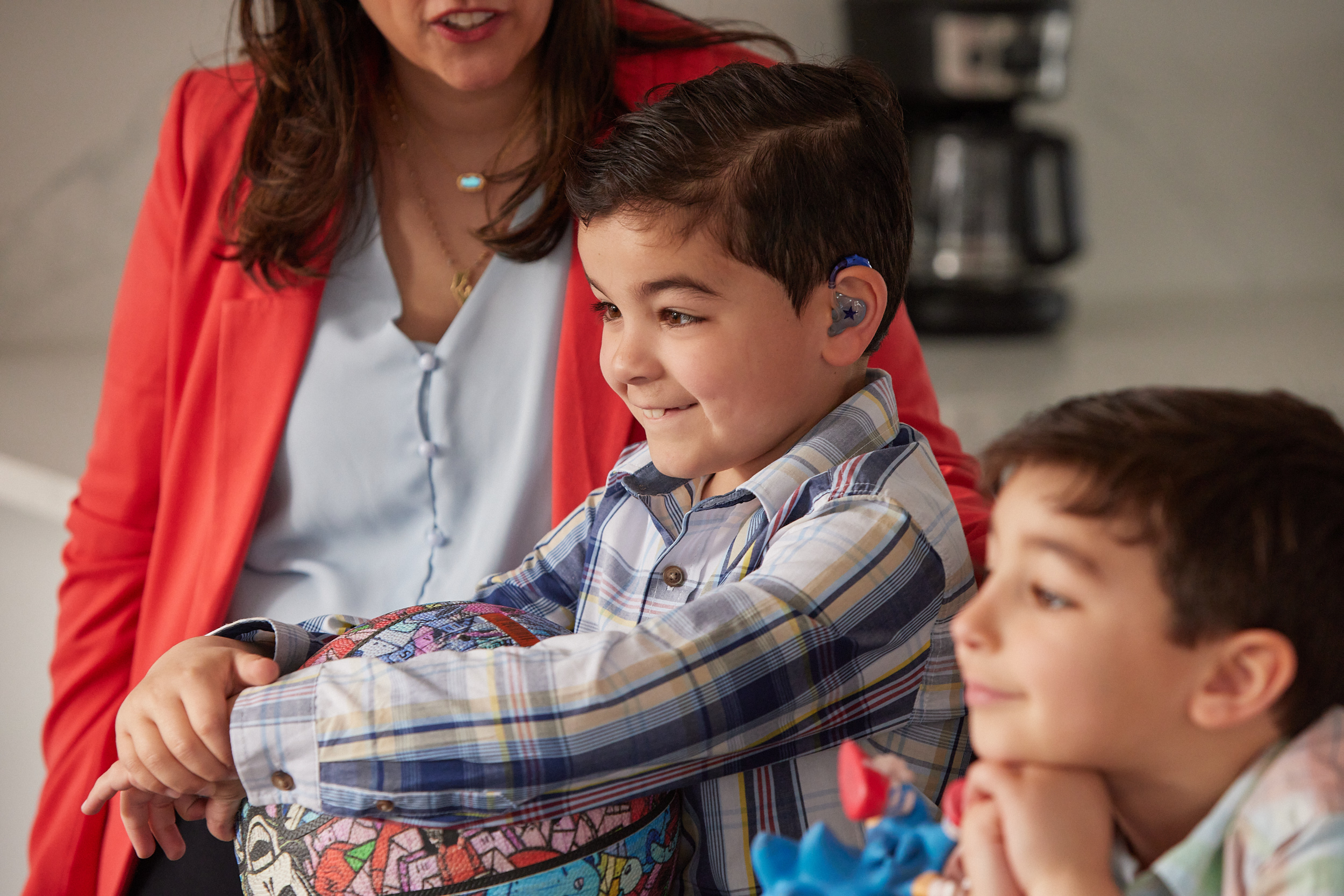
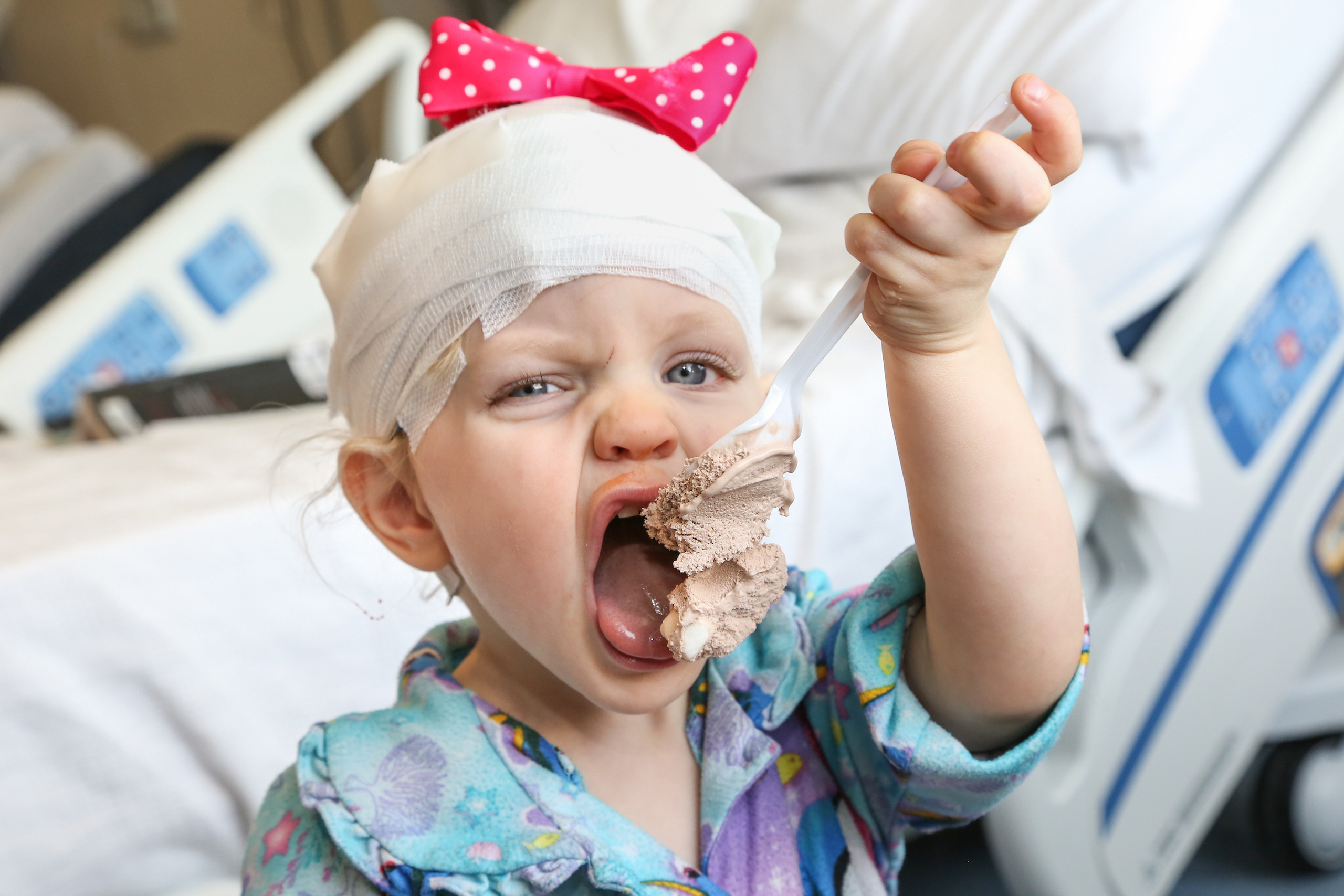
The advanced, specialized care that children’s hospitals provide make moments – like Joseph beating pediatric brain cancer – possible.
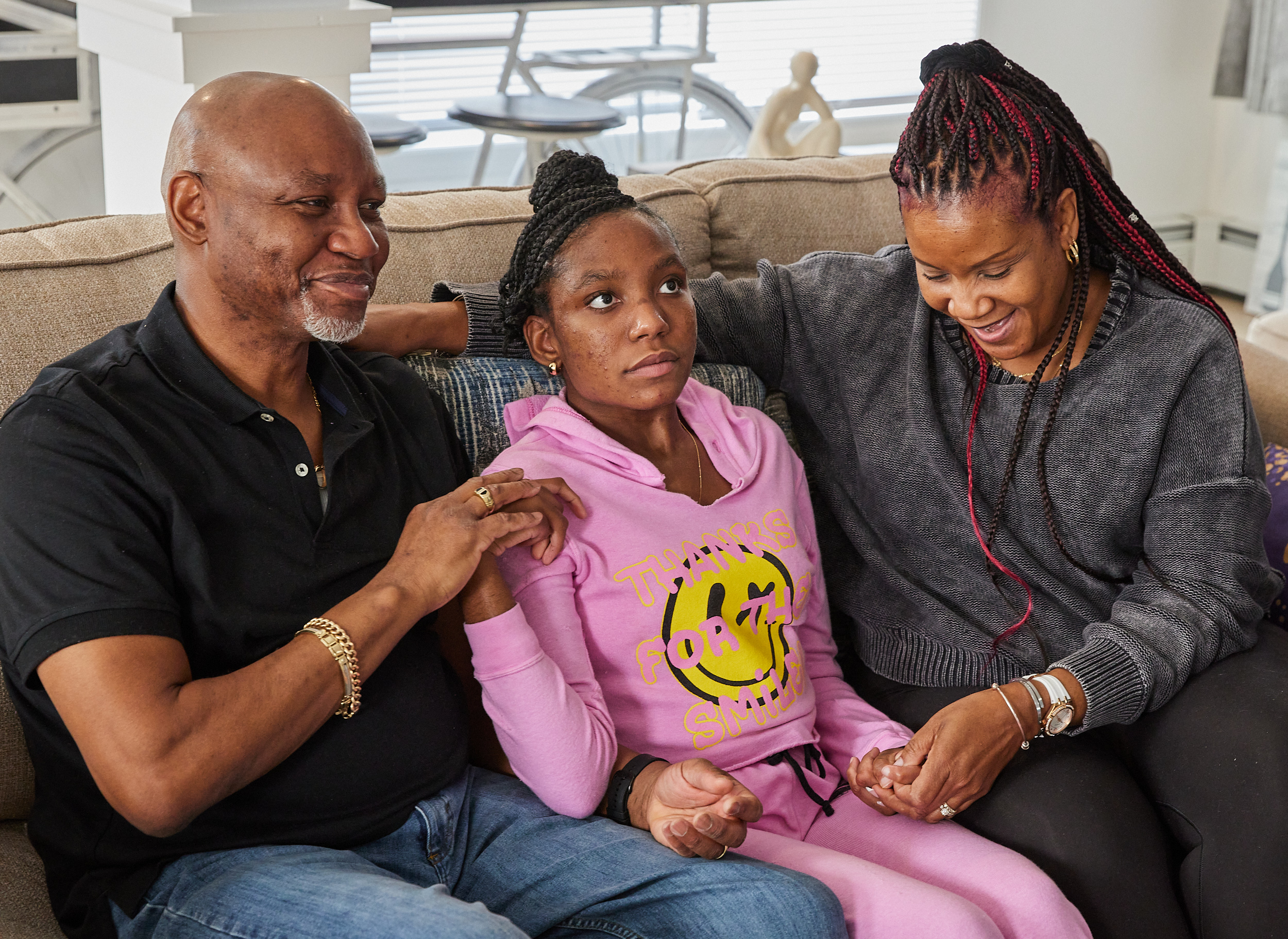
With care delivered by specially trained pediatric clinicians, in environments designed just for children, children’s hospitals help children and teens – like Daniella – navigate complex medical conditions.

When Sriansh was just three months old, his family grew concerned as he slept most of the day, arched his back, and could not control his eye movement. His parents brought him to Cincinnati Children’s, where he was diagnosed with AADC deficiency, a rare genetic disorder that disrupts dopamine and serotonin production in the brain. Sriansh’s family was told he might never walk, talk, or lift his head. But thanks to an experimental gene therapy clinical trial, his story took a groundbreaking turn. At just 16 months old, Sriansh became the youngest child in the world to receive a one-time gene therapy treatment, delivered directly into the brain through a minimally invasive surgical technique. His care team inserted an engineered virus carrying the missing gene, allowing his brain to begin producing the essential chemicals it lacked. Today, Sriansh is walking, running, and thriving because of this innovative clinical trial. This pioneering work helped lead to the first-ever FDA-approved gene therapy administered directly to the brain, offering hope for patients with rare genetic diseases once thought untreatable.
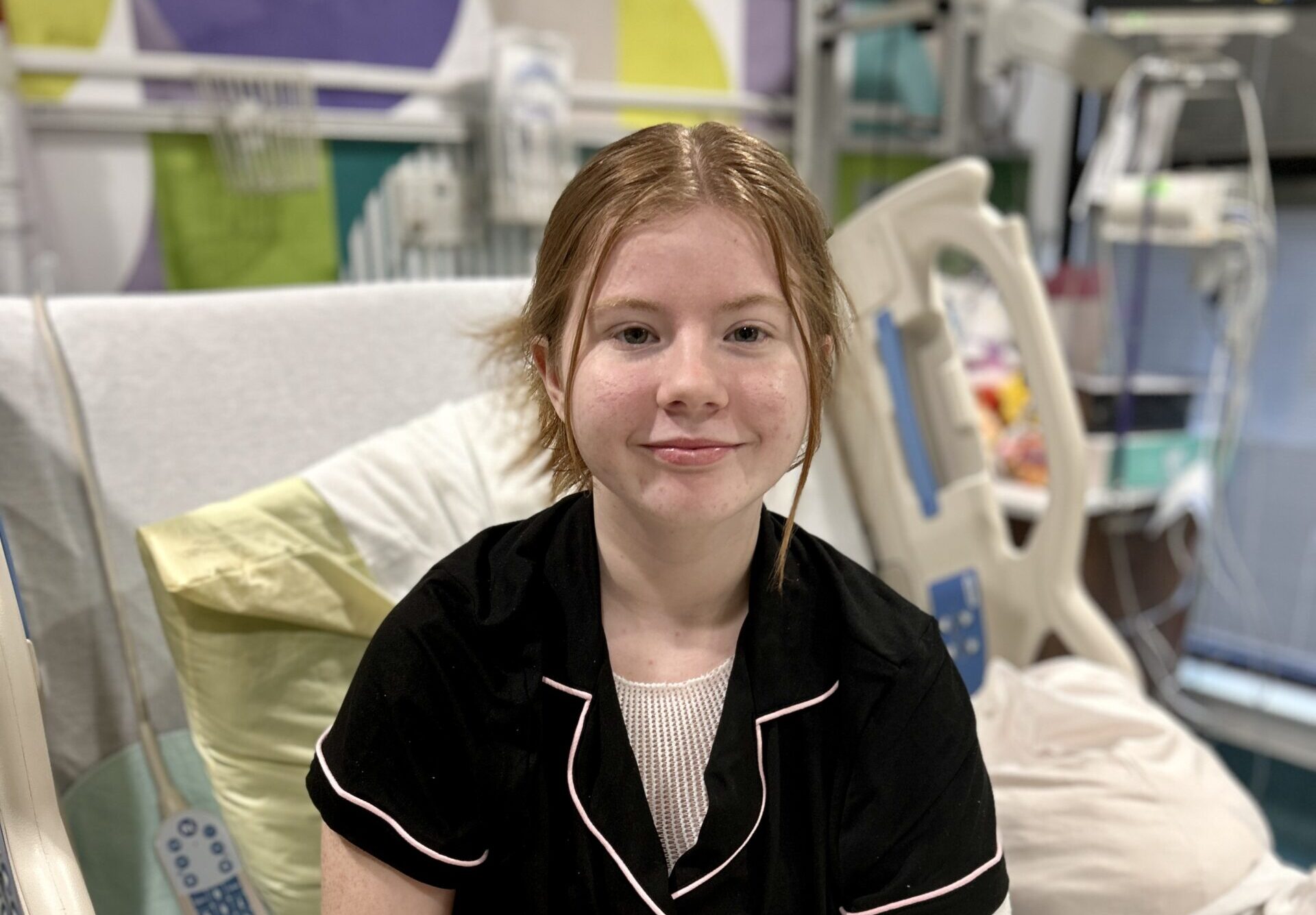
Kennedy was removing her nail polish with a candle lit nearby when suddenly, the fumes and flame met, causing an explosion. She was rushed via ambulance to Shriner Children’s Ohio. Kennedy sustained second and third-degree burns on her hands, arms, thighs, and stomach, covering about 13% of her whole body. Doctors performed multiple skin graft surgeries and procedures. Additionally, her support system of occupational and physical therapists, nutritionists, and care managers worked together to help her heal faster. The teams worked across disciplines to create an individualized care plan tailored to Kennedy’s needs. After just two weeks, was able to go home. She eventually returned to school and is back to doing her favorite activities like cheerleading and playing the saxophone!

Antonio was having a blast at a trampoline park when a misstep left him with a torn ACL. As a track and field star at his high school, he feared his days of sprinting and jumping were behind him. But at AdventHealth for Children, his care team welcomed him with warmth and reassurance that he’d be running again in no time. Antonio’s doctor introduced him to the innovative orthopedic BEAR implant, which is inserted at the tear and helps the body heal its own ligament. AdventHealth for Children is a leading hospital in performing this implant procedure for pediatric patients, so his team knew it could get Antonio back on his feet. The BEAR implant helped him recover smoothly and successfully in less than a year! Today, he’s back on the track doing what he loves, with his sights set on joining a track team in college.
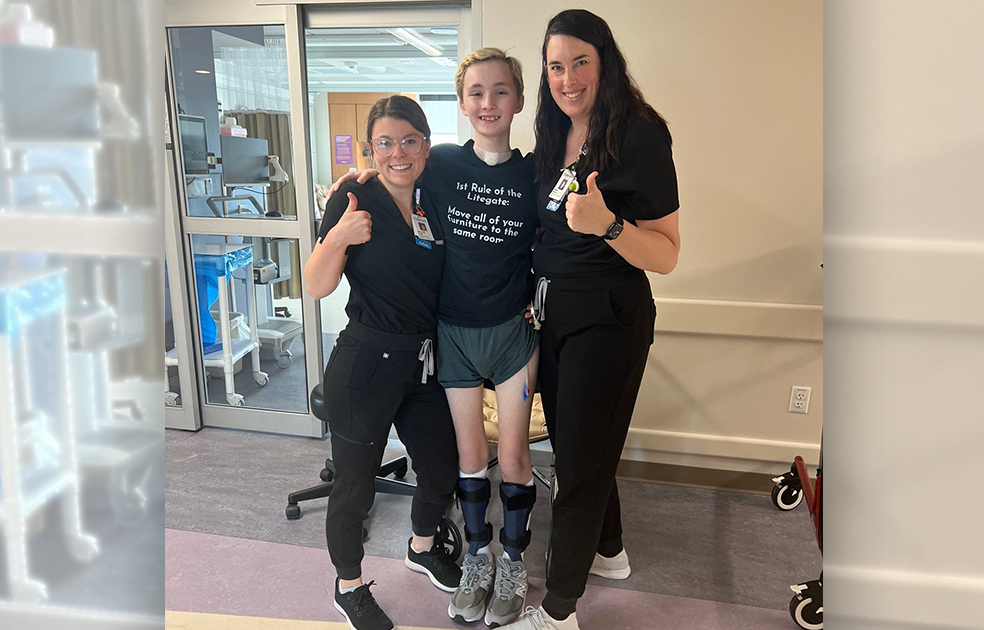
Kellen had always been an active, energetic kid, so when he started feeling under the weather, his family assumed it was just a mild bug. But as days passed, his condition worsened. He found himself making repeated trips to the ER, and on one terrifying morning, Kellen couldn’t stand up on his own. Through a severe blizzard, his family made the 220-mile trip to Children’s Minnesota-Minneapolis in an ambulance. Soon after he arrived, experts discovered that Kellen had a rare spinal cord condition called acute flaccid myelitis (AFM). AFM sets in very suddenly, weakening multiple muscles. He was rushed to the pediatric intensive care unit (PICU), where he required a ventilator, a tracheotomy, and a feeding tube. After eventually leaving the PICU, Kellen embarked on an intensive two-month journey with physical, occupational, and speech therapy programs. When he started, Kellen was only wiggling a few toes, but thanks to his hard work and supportive care team, he started eating and moving independently in just a few months. Once he was cleared from these programs, he continued less-intensive PT and OT to keep improving. Eight months after that first visit to Children’s Minnesota, Kellen’s progress is remarkable. He’s not only standing and walking again, but he’s also playing sports, something he was unsure would ever be possible again. Today, Kellen is back on the swim team, forever grateful for his life-saving care.
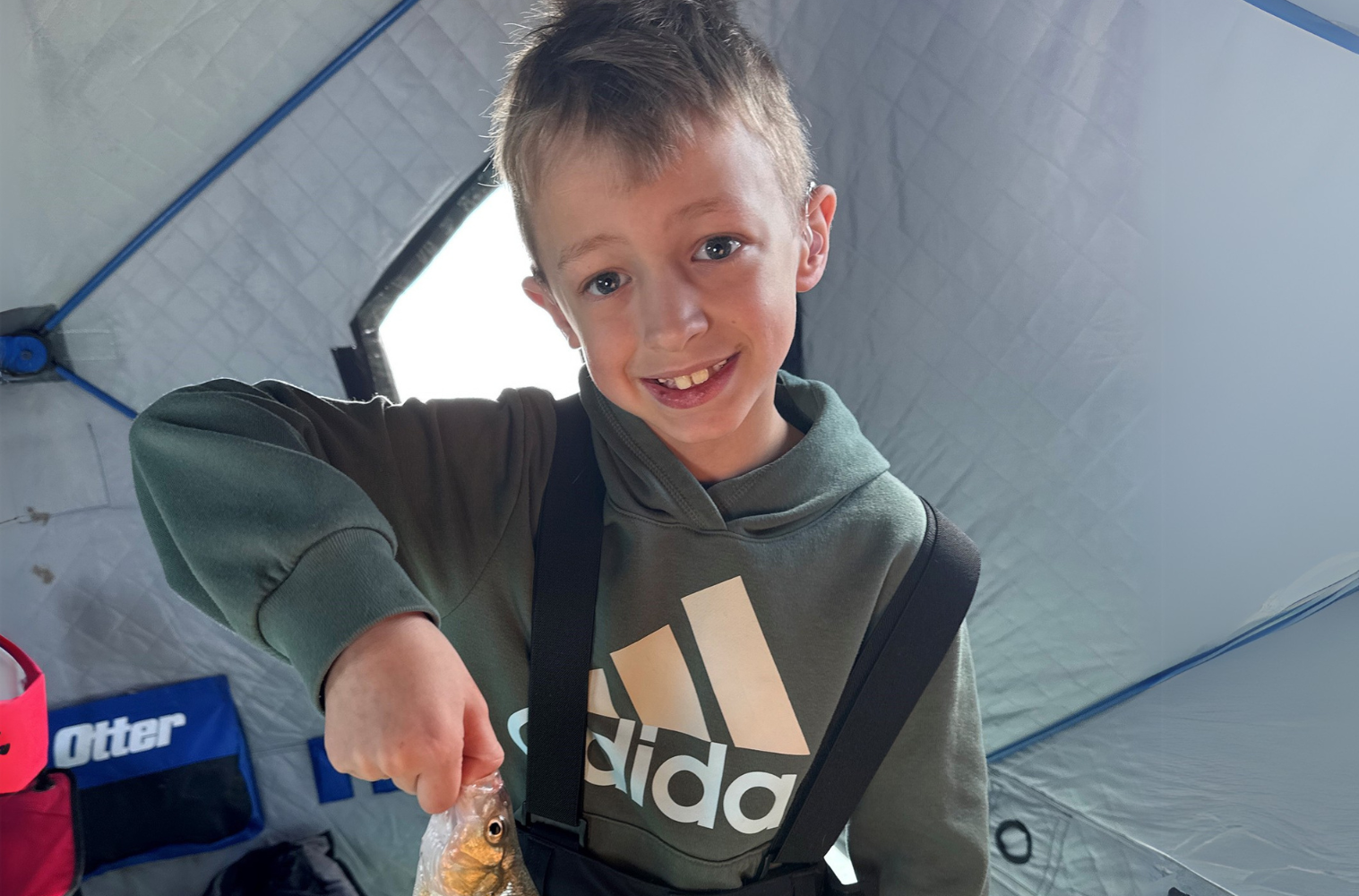
When Jace started preschool, his teacher quickly noticed something was off—he struggled to articulate words clearly and often seemed to misunderstand those around him. Concerned, his family took him to Boys Town National Research Hospital for a hearing evaluation that revealed moderate hearing loss. He received hearing aids and began excelling in school, finishing kindergarten at the top of his class. But as things were looking up, Jace’s hearing started to decline again, leading to a progressive bilateral hearing loss diagnosis. With profound hearing loss in one ear and moderate hearing loss in the other, Jace wasn’t able to hear all sounds with his aids. His care team determined a unilateral cochlear implant was the best solution, but this also meant frequent hospital visits to perfect the device. Living two hours away from Boys Town National Research Hospital, Jace’s family was concerned he would have to miss out on too much school and activities. Thankfully, after a successful cochlear implant surgery, the team was highly accommodating, working around their schedule and offering virtual therapy appointments. Now, Jace is thriving with his cochlear implant and experiencing a world of sound he had never fully known before. His care team continues to support him, helping him refine his hearing and language skills.
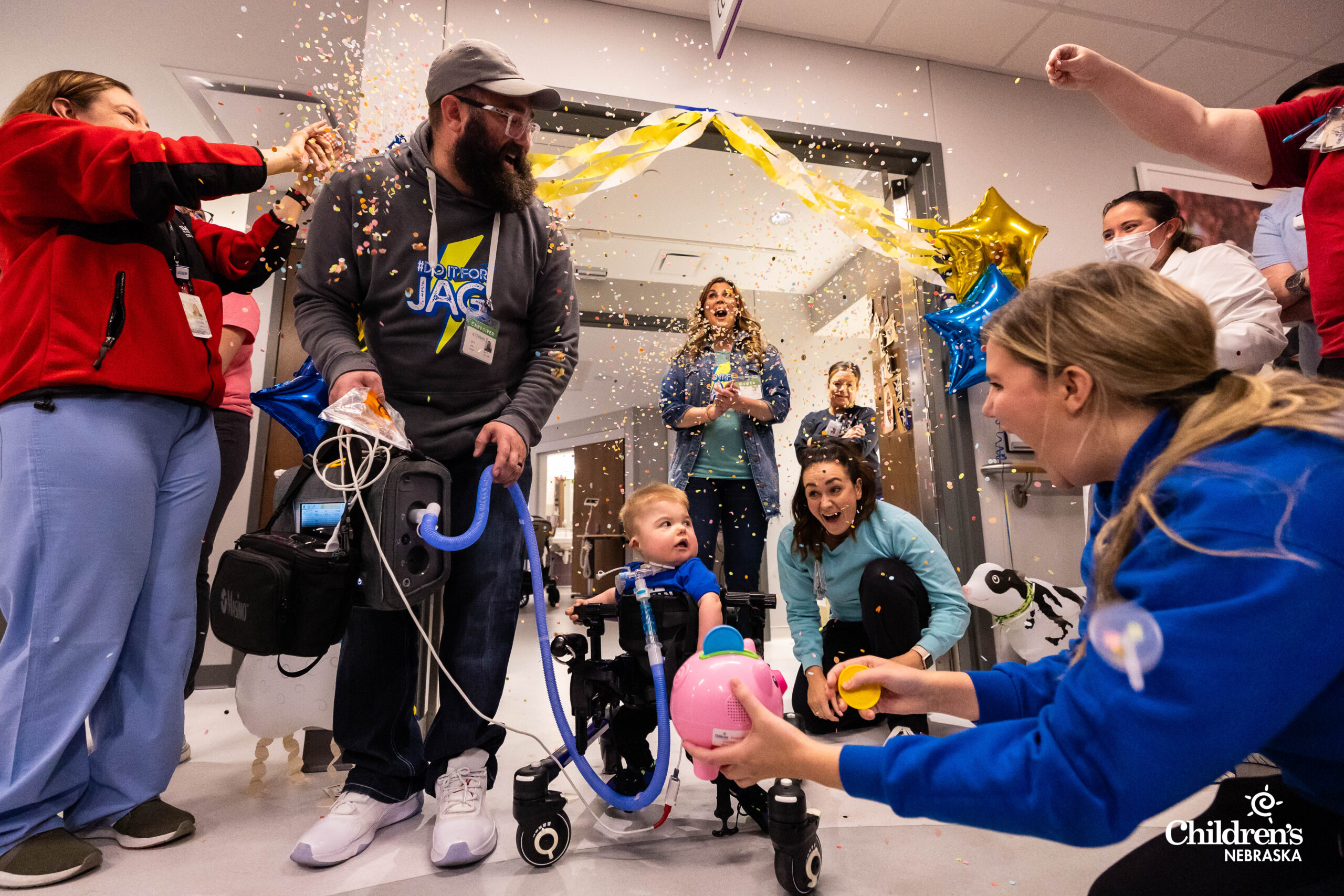
One-year-old Jagger spent the first 18 months of his life in the hospital as Children’s Nebraska’s longest-running Cardiac Care Unit (CCU) patient in recent memory. After his mother went into labor early in April 2022, Jagger’s congenital heart condition was discovered, and his family anticipated a 6–8-week hospital stay. Instead, they remained at Children’s for 548 days. A bi-ventricular repair with Children’s Cardiothoracic Surgery team in July 2023 was the turning point, correcting his heart’s structure and function with two working heart chambers to put Jagger on the path to going home. With the care of Children’s Rehabilitation Services team, Jagger skipped crawling and progressed to standing and taking steps prior to discharge in October 2023. On the family’s final day at Children’s, team members across multiple disciplines gathered for a final “CCU Later”-themed celebration, lining the halls and sending Jagger and his parents’ home in style. Jagger stole the show by walking out of the room – important steps for a little one venturing into a big world full of possibility.
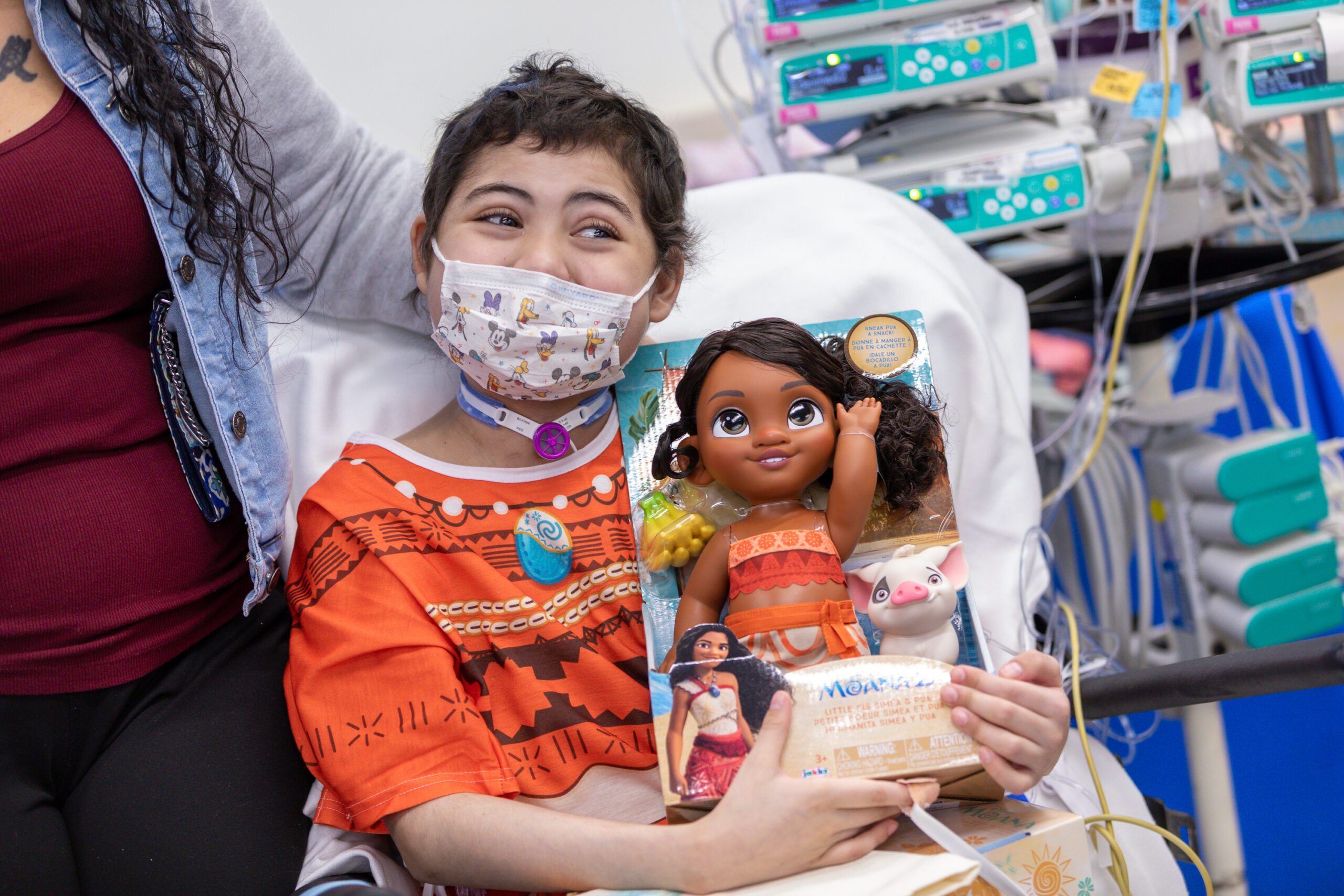
Kapi’olani Medical Center for Women & Children has been Rezen’s home away from home for more than a year. The 10-year-old was diagnosed with aplastic anemia, a rare and life-threatening blood disorder. Last year, she received a bone marrow transplant and spent months in the Pediatric Intensive Care Unit. Despite these challenges, moments of joy and comfort shine through her journey. When Rezen was nervous before a routine MRI, her child life specialists gave her a Disney Princess-themed Starlight Hospital Gown to add a little magic to her stay. The Walt Disney Company and the nonprofit Starlight Children’s Foundation bring Disney Princess-themed Starlight Hospital Gowns to pediatric hospitals across the nation, helping patients like Rezen feel more comfortable during treatments. Through this long-standing collaboration, Rezen has received numerous princess gowns, building up an impressive collection. In December, Rezen completed her princess collection, receiving a Moana-themed gown, and attended a special private showing of Moana 2, experiencing the movie’s adventure before its official release! Navigating a rare disease comes with immense obstacles, but collaborations like this bring light on difficult days. Disney-themed Starlight programs, along with her care team, help make Rezen and thousands of other pediatric patients feel the magic and inspiration every child deserves.