
Featured Story

Innovative treatments keep Harlow smiling

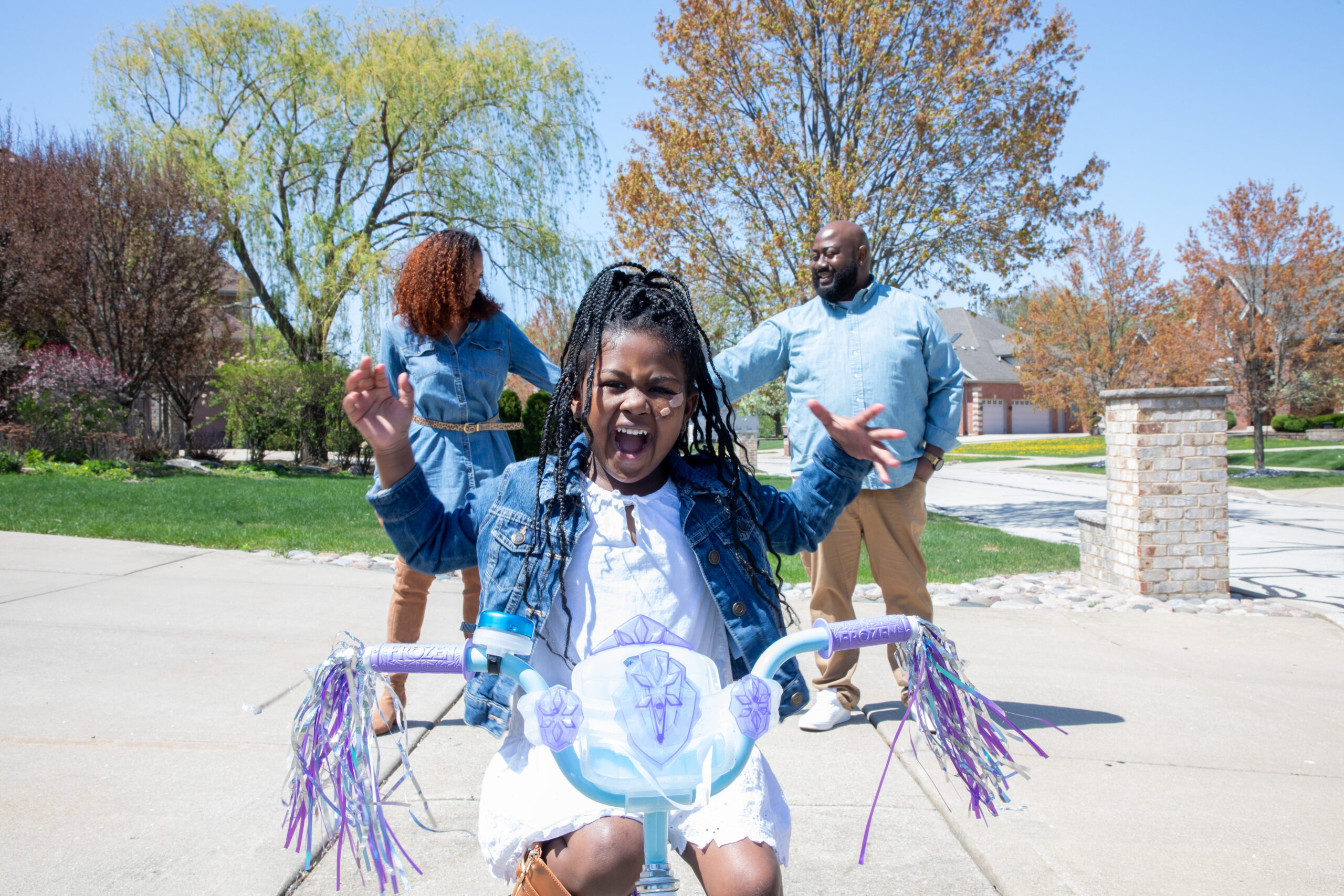
Just weeks before 2-year-old Harlow was supposed to head to Jamaica to be the flower girl at her parents’ wedding, her mother noticed that her usually energetic daughter had developed a cough and grown lethargic. Her care team suggested she may have a mild viral infection and also suspected a heart murmur. But during the trip, Harlow’s condition began to worsen. The family flew her home and took her to UChicago Medicine Comer Children’s Hospital, where a blood test revealed she had a rare form of acute lymphoblastic leukemia, a cancer of the bone marrow and blood. As Harlow prepared for her inpatient stay at Comer Children’s, her family was comforted not only by her oncology team’s confidence but also by the investigative therapies and established treatments offered by leukemia specialists. Harlow’s smile never dimmed, and she remained resilient even when an uncommon chemo allergy required her to be intubated. Twenty-eight months later, she rang the bell to signify the end of her cancer treatment. Today, Harlow is a healthy 5-year-old who loves to cook with her family and watch “Family Feud.” Even better, she’s still smiling.

All Stories

Hospital
Type of Care
Health Condition
Showing 2 stories

Innovative treatment for Arie’s complex aneurysm

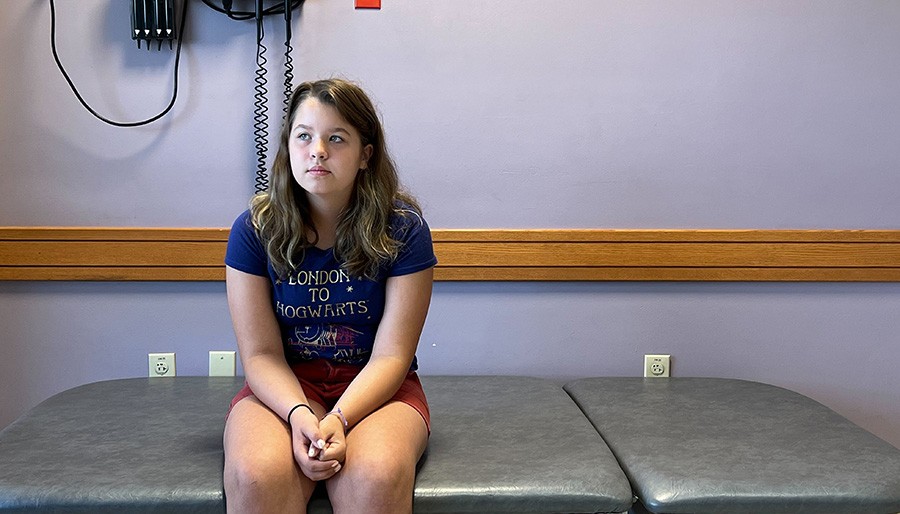
One evening, Arie began to experience intense pain in her head followed by uncontrollable vomiting. Arie was swiftly transferred from a local hospital to Children’s Wisconsin where a CT scan showed a brain bleed resembling a ruptured aneurysm. Aneurysms in children are rare, and the cause is usually unknown. Arie’s aneurysm was complex, involving the main blood vessel going to the back of her brain and occipital lobe. The most common treatment, called a coil embolization, posed risks so the team at Children’s Wisconsin proposed something that had never been done at the hospital before – a bypass to reroute the blood supply to Arie’s vision area. Doctors took an artery that fed blood to Arie’s scalp tissues on the back of her head and connected it to the surface of her brain. By redirecting blood from the scalp to the affected territory, blood flow can be maintained, which protected her vision. After the bypass, the team performed the traditional coiling procedure of the aneurysm. Arie’s recovery went smoothly. Today, she continues to be monitored by Children’s Wisconsin. She is stable, and she has no long-term side effects from the aneurysm or surgery. She is enjoying middle school, loves bike rides, and taking care of her bearded dragon, Cheeto.  
Read more

Phoenix defies the odds with ultra-rare genetic disorder

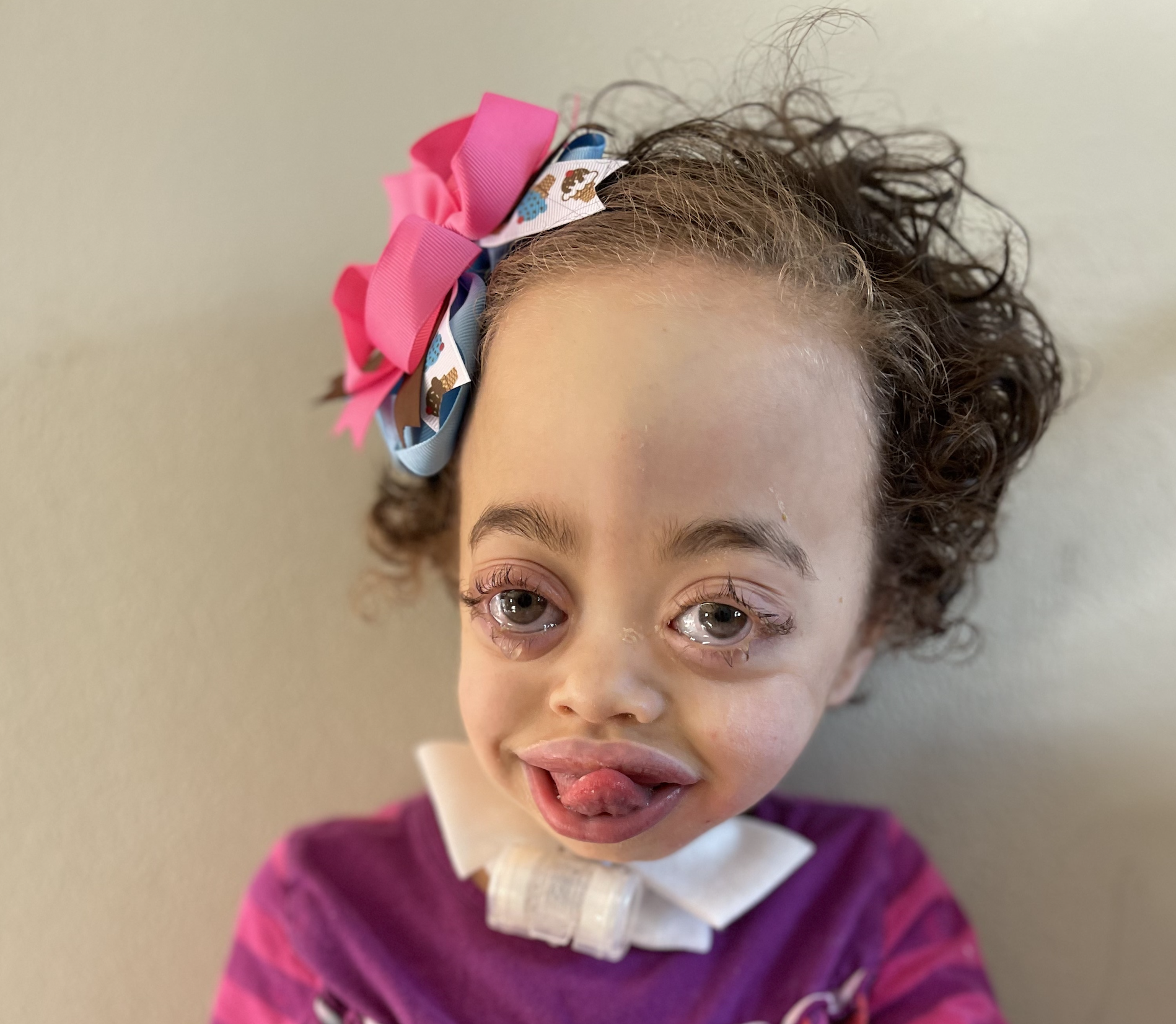
At 3 months old, Phoenix was diagnosed with Marshall-Smith Syndrome, an ultra-rare genetic disorder that only 56 people in the world have been diagnosed with. Most children with Marshall-Smith Syndrome don’t live past age 3. Phoenix is now 9. The care that Phoenix receives at Children’s Wisconsin has been paramount to her survival. She sees gastroenterology specialists, pulmonary and otolaryngology specialists, as well as the plastic surgery and complex care team to coordinate specialty care needs. With complex care needs, Medicaid helps cover Phoenix’s regular clinic visits and medical care, but there are often challenges getting special equipment she needs covered. Despite all of the obstacles she faces, Phoenix attends school and she loves art and music.

Read more